

Introduction
After a fatty liver disease diagnosis, food becomes a daily concern. People often feel confused because advice online can be extreme or unclear. What to Eat and Avoid With Fatty Liver Disease?
The good news is this: you don’t need a perfect diet. Knowing what to eat more often and what to limit can help support your liver and overall health. This guide explains it in a simple, realistic way.
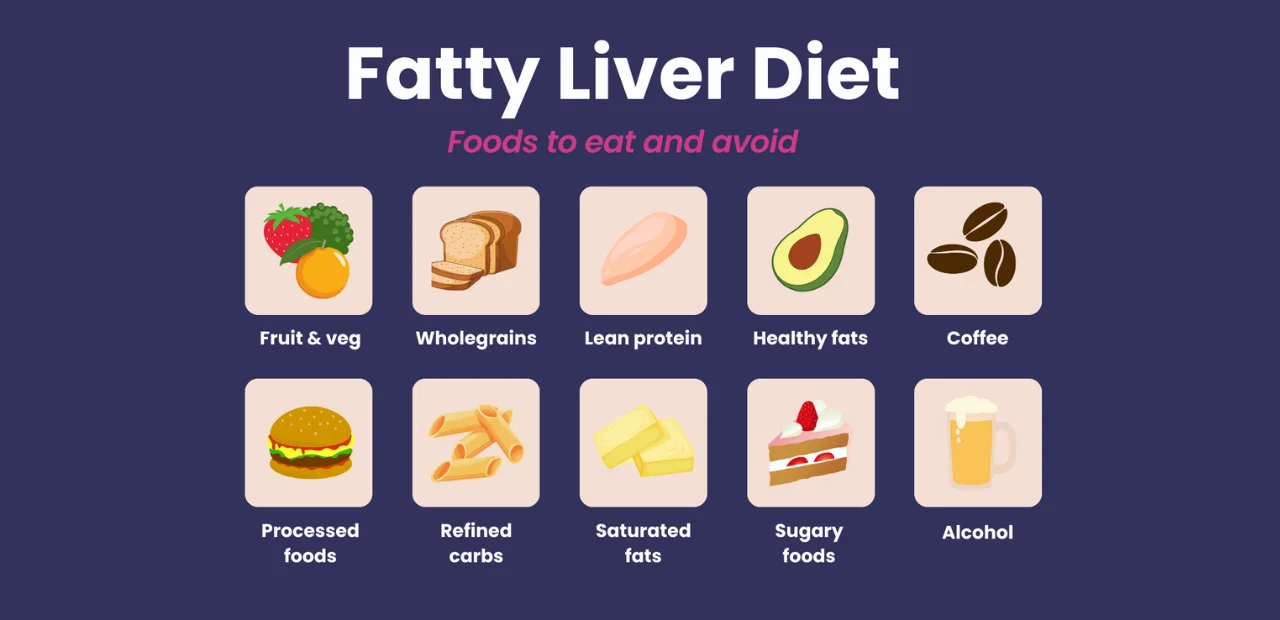
Table of Contents
Foods to Eat With Fatty Liver Disease
Vegetables and fruits
Vegetables are generally safe and helpful. They are low in calories and support digestion. Fruits can also be included, but portion size matters because of natural sugars.
Whole grains and fiber-rich foods
Whole grains and fiber help the body process fats and sugars more steadily. They also support gut health, which is linked to liver health.
Protein Choices That Are Easier on the Liver
Lean protein sources
Lean proteins are often better tolerated. These include foods that are not heavily fried or processed. Protein supports muscle strength without overloading the liver.
Cooking methods matter
Grilling, baking, or steaming is usually easier on digestion than deep frying. How food is prepared can matter as much as the food itself.

Foods to Limit or Avoid
Sugary and processed foods
Sugary snacks, soft drinks, and packaged foods can increase fat buildup in the liver. These are best limited rather than eaten daily.
Fried and high-fat meals
Heavy fried foods may worsen symptoms like bloating or discomfort. Reducing these foods often helps people feel better overall.

Drinks and Fatty Liver Disease
Alcohol and liver health
Alcohol places extra strain on the liver. Many people with fatty liver disease are advised to avoid or strictly limit it.
Coffee and other beverages
Some people tolerate coffee well, while others do not. Water remains the safest daily drink choice for most people.

Building a Balanced Daily Eating Routine
Simple meal structure
A balanced day usually includes regular meals with vegetables, protein, and controlled portions of carbohydrates. Skipping meals often leads to overeating later.
Long-term habits over quick fixes
Crash diets and extreme food rules are hard to maintain. Slow, consistent changes are usually more helpful for liver health.
Conclusion
Knowing what to eat and avoid with fatty liver disease can make daily life feel more manageable. You don’t need perfection just steady, thoughtful food choices that reduce stress on the liver. If you’re unsure about specific foods or symptoms, talk with a healthcare professional. Personal guidance can help you build eating habits that support long-term liver health.
Frequently Asked Questions
What foods should I eat most with fatty liver disease?
Vegetables, whole grains, lean proteins, and simple home-cooked meals are commonly recommended.
What foods should I avoid with fatty liver disease?
Sugary drinks, processed snacks, fried foods, and heavy meals are often limited to reduce liver strain.
Is rice bad for fatty liver disease?
Rice can be eaten in moderation. Portion size and overall balance matter more than avoiding it completely.
Can coffee be part of a fatty liver diet?
Some people drink coffee without issues, but tolerance varies. It’s best to discuss this with a healthcare provider.
Do I need a strict diet for fatty liver disease?
Most people benefit more from a balanced, realistic eating pattern rather than strict or extreme diets.