Skip to content
At Liver Care Center, we are dedicated to providing comprehensive and effective biliary tract cancers . Our clinic is renowned for its high success rate gallbladder cancer surgeries, led by Dr. Muhammad Zakria, an internationally trained Hepatobiliary Surgeon.
We believe in a patient-first approach, offering low-cost cancer treatment plans that don’t compromise on quality. Dr. Zakria specializes in minimally invasive gallbladder cancer surgeries, which lead to quicker recovery times and a faster return to a healthier life.
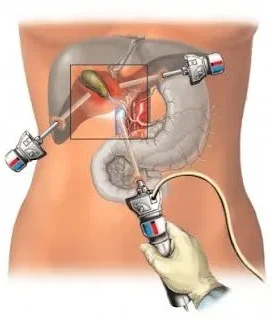
The human gallbladder is a small organ located under the liver. Its primary role is to store bile, which helps with the digestion of fats. While gallstones are common, gallbladder cancer is a severe and relatively rare medical condition. This type of cancer often begins in the gallbladder wall and can spread rapidly to other organs if not found early. Unfortunately, gallbladder cancer symptoms can be subtle, leading to a late diagnosis in many patients.
For patients whose condition is detected in the early stages of gallbladder surgery is often the primary and most effective treatment, preventing its progression to more advanced stages, such as stage 3 gallbladder cancer. A surgeon carefully removes the gallbladder surgery, along with any surrounding tissues and lymph nodes if necessary.. A surgeon carefully removes the gallbladder surgery, along with any surrounding tissues and lymph nodes if necessary. At Liver Care Center, we specialize in gallbladder cancer surgery in Lahore, offering advanced, minimally invasive surgery combined with comprehensive patient care. We are committed to providing expert gallbladder cancer care and improving the gallbladder cancer survival rate for our patients
Sarcomas:
Sarcomas are an extremely rare type of cancer that can develop in the gallbladder surgery. While most gallbladder cancers are adenocarcinomas, sarcomas form in the organ’s connective and supportive tissues. Due to their rarity, they require specialized diagnostic and treatment for gallbladder cancer.
Squamous cell carcinoma:
It is a rare and often aggressive type , Unlike other forms, it develops in the flat cells of the organ, making it particularly invasive and challenging to manage..
Adenosquamous Carcinoma:
Adenosquamous carcinoma is a rare and challenging form , that contains both glandular and squamous cells. Due to its unique nature, effective treatment for gallbladder cancer requires an advanced and highly specialized medical approach to target both cell types.
Small Cell Neuroendocrine Carcinoma:
It is a rare, aggressive gallbladder cancer. It’s known for its rapid spread, which often leads to an advanced-stage diagnosis and requires urgent, specialized gallbladder cancer treatment
Adenocarcinoma:
Adenocarcinoma is the most common . It begins in the gland-like cells that line the digestive system. While it may grow slowly, it can often spread silently, making it crucial to recognize the early signs of gallbladder cancer for timely diagnosis and treatment.
While gallbladder cancer symptoms can initially be subtle, often resembling gallstone pain or stomach issues, the more severe and persistent symptoms of gallbladder cancer stage 4, such as jaundice and significant weight loss, typically appear as the disease advances.
Early detection is crucial for a better gallbladder cancer prognosis. Paying attention to long-term changes in your health and seeking medical advice is key. Diagnostic tools, including blood tests and imaging like a CT scan for gallbladder cancer, can help doctors find the disease at an early stage, which allows for timely gallbladder cancer surgery and a higher gallbladder cancer survival rate.

If you or a loved one are experiencing persistent symptoms of gallbladder cancer, it is crucial to seek immediate medical attention.
At Liver Care Center, we are committed to providing the best gallbladder cancer treatment. Our process begins with a precise gallbladder cancer diagnosis using advanced testing. Our expert team then creates a personalized treatment plan, guiding you with compassionate support through every step of your care.
Don’t wait. Schedule your consultation with us today to take the first step toward a healthier future
The process for a gallbladder cancer diagnosis begins with a physical examination . We are dedicated to providing timely and appropriate treatment for a wide range of biliary tract cancers in Lahore . such as:
With our modern diagnostic tools, Liver Care Center excels at identifying gallbladder cancer before it advances. We are dedicated to providing timely and appropriate gallbladder cancer treatment in Lahore. As a leading center for comprehensive care, you can trust our expert team to guide you toward a better health outcome.
ICD 10 Code for Gallbladder Cancer
For medical billing and records, the primary ICD 10 code for gallbladder cancer is C23. This code specifies a malignant neoplasm of the gallbladder surgery. Our team uses accurate medical coding to ensure a smooth and transparent billing process for our patients.

As a highly sought-after Hepatobiliary Surgeon, Dr. Muhammad Zakria specializes in complex liver, biliary tract cancers, and gallbladder cancer surgeries.. His advanced expertise, which includes a deep understanding of biliary adenocarcinoma pathology outlines, was gained from extensive training at leading medical institutions in the UK, France, Taiwan, South Korea, and the USA, consistently yielding superior results.
His mastery of modern surgical methods, combined with compassionate patient care, makes Liver Care Center the trusted and dependable choice for obtaining expert gallbladder cancer treatment in Lahore.

Understanding the risk factors for gallbladder cancer is crucial for early detection and prevention. While the exact causes of gallbladder cancer are not always known, several conditions can increase your likelihood of developing this disease. The following information covers the most common risk factors and causes.
The most common cause of gallbladder cancer is chronic inflammation due to the presence of gallstones. Continuous irritation from gallbladder stones can lead to cellular changes, which significantly increases the risk of developing a malignant neoplasm of gallbladder.
Gallbladder polyps are growths that appear on the inner surface of the gallbladder surgery. While most are benign, larger polyps (over 1 cm) have a greater potential to become cancerous. This raises a common question: Can gallbladder polyps be cancerous? The answer is yes, as they are a significant risk factor for gallbladder cancer.
The risk of developing gallbladder cancer can be influenced by your family history. One of the less common gallbladder cancer risk factors is a genetic predisposition, which means the condition may run in families. This addresses the question, “Is gallbladder cancer hereditary?” While rare, a family history of gallbladder surgery disorders can increase your susceptibility to this cancer.
Chronic inflammation is a significant risk factor for gallbladder cancer. When the organ experiences long-term irritation from infections or other conditions, it can lead to swelling and scar tissue. This continuous damage raises the overall cancer risk by causing cells to develop in abnormal ways, which can eventually lead to cancer of the gallbladder.
An excess amount of body fat disturbs hormone levels and affects bile composition. This can lead to the body developing more gallstones. Since gallstones are a major cause of gallbladder cancer, maintaining a healthy weight is a proactive step in reducing your overall cancer risk
Gallbladder cancer symptoms in women are often more prevalent after age 60, as female patients face an increased risk of it . This is linked to the role of hormones, which elevate a female’s gallbladder’s risk of developing gallstones. A higher incidence of gallstones in women contributes to the rising statistics for gallbladder cancer in this demographic
Occupational exposure to certain industrial chemicals is another potential risk factor for gallbladder cancer. Working in textile plants or metal industries can expose you to materials that may gradually damage your genetic material over time. This kind of workplace exposure significantly raises your overall cancer risk and is considered a possible cause of gallbladder cancer.
Gallbladder cancer is particularly prevalent in South Asia, with a high incidence among residents of Pakistan. This regional predisposition is a key risk factor for gallbladder cancer, as certain lifestyle and physical characteristics are thought to increase the occurrence of gallstones. Given that gallstones are a major cause of gallbladder cancer, the elevated regional risk underscores the importance of early diagnosis.
Understanding the risk factors for gallbladder cancer empowers you to seek a prompt gallbladder cancer diagnosis. This is a critical first step toward receiving specialized gallbladder cancer treatment in Lahore. At Liver Care Center, we combine advanced diagnostic tools with expert care to provide you with the support you need.
Our team at Liver Care Center is dedicated to providing complete support for patients battling gallbladder cancer. We know that a positive outcome is within reach through our specialized gallbladder cancer treatment. Our experts, including Dr. Muhammad Zakria, apply advanced surgical skills to every gallbladder cancer operation, achieving consistently good results. Through a total support system, we work for your recovery at every step of your healthcare journey, helping you achieve a productive life again.
At Liver Care Center, we are committed to providing the best gallbladder cancer treatment. Our deep medical expertise and dedication to patient-centered care make us a trusted name for specialized gallbladder cancer treatment in Lahore. We deliver the knowledge and support needed for the best possible outcomes.

At Liver Care Center, we combine specialized expertise with compassionate care to provide the best possible experience for our patients.
We are dedicated to achieving the highest gallbladder cancer survival rate. Our highly skilled Dr. Muhammad Zakria leads a team of local and international experts, performing numerous successful gallbladder cancer operations with consistently superior outcomes.
Our practice uses the newest diagnostic tools to achieve a precise gallbladder cancer diagnosis and ensure early signs of gallbladder cancer are detected. We believe in accessible healthcare, offering gallbladder cancer treatment at a significantly lower cost than many Western countries. Our commitment is to provide affordable, high-quality medical services with transparent pricing.
We deliver a customized medical approach for each patient to ensure the highest possible results. Our tailored gallbladder cancer management and state-of-the-art minimally invasive options, such as laparoscopic cholecystectomy, are designed to enhance patient comfort and speed recovery. From the first consultation, our compassionate staff provides comprehensive support at every stage of your journey.
The gallbladder operation cost in Pakistan is significantly lower than in many Western countries, making high-quality healthcare more accessible. At Liver Care Center, we believe cost should not hinder your health. Our comprehensive gallbladder cancer treatment cost includes advanced diagnostics, professional gallbladder cancer surgery, and thorough follow-up care. While every procedure has a financial expense, the enduring value it provides is a protected life and a path to long-term well-being.
Gallbladder cancer is a serious diagnosis, but with effective gallbladder cancer treatments, a patient’s journey to recovery is possible. Individuals who receive a successful gallbladder cancer operation often see a significant increase in their gallbladder cancer survival rate and a better quality of life. The right treatment path helps patients return to health without difficulties. Here’s what you can expect:
A gallbladder cancer surgery aims to completely remove all malignant neoplasm of gallbladder. The removal of this malignant tumor is critical to stop gallbladder cancer spread to liver and other organs, which is a key step in gallbladder cancer staging. This surgical procedure is the beginning of the recovery process.
Following gallbladder cancer treatments, such as gallbladder removal, the body adapts to breaking down fats directly, which can improve the overall function of your digestive system. This helps to resolve issues like indigestion and bloating that are often related to gallbladder and cancer-related problems.
Gallbladder cancer treatment, through a surgical operation, is an effective way to eliminate ongoing painful sensations associated with tumors or gallstones in the gallbladder. The relief from these sensations, which are often a key symptom of gallbladder cancer, can lead to a substantial improvement in a patient’s overall well-being.
For patients with early-stage gallbladder cancer, gallbladder cancer surgery is often the most effective path to a better outcome. By removing the primary source of the disease, this procedure represents the best chance for a gallbladder cancer cure. Surgery is a key part of the gallbladder cancer staging and treatment process, offering the potential for a longer, healthier life.
Gallbladder cancer treatments, such as surgery, are highly effective at eliminating the pain associated with tumors or gallstones in the gallbladder. A successful operation provides substantial relief from painful sensations, which are often a key indicator of cancer of the gallbladder. This can lead to a significant improvement in a patient’s daily life.
Successful gallbladder cancer surgery can profoundly impact a patient’s gallbladder cancer prognosis, leading to a renewed sense of hope. As a key part of cancer treatment, surgery not only helps achieve a positive outcome but also significantly improves gallbladder cancer survival, allowing you to regain an optimistic view of life
Minimally invasive procedures, such as laparoscopic cholecystectomy, offer patients faster recovery times and less post-operative pain. This state-of-the-art approach to gallbladder cancer treatments uses small incisions to help patients return to their normal lives more quickly while also reducing the risk of additional health problems.
Successful treatments for gallbladder cancer allow patients to regain the energy needed to resume daily activities. As the body responds to the gallbladder cancer treatment, patients can recover from the fatigue often associated with the disease, leading to a significant improvement in overall well-being.
The recovery time following gallbladder cancer surgery depends on a patient’s overall health and the extent of the procedure. For those undergoing minimally invasive procedures, the hospital stay is typically 3-5 days. The rest of the recovery process spans approximately two weeks, after which light physical activity can be resumed. Complete recovery usually takes about 4-6 weeks, a relatively short period for what is gallbladder removal major surgery.
Following gallbladder removal, a patient’s recovery is crucial for long-term health. Following your doctor’s instructions is vital to ensuring a smooth and complete recovery
Proper rest is essential during the initial recovery period. It’s vital to follow all physician-recommended activity restrictions, avoiding heavy lifting and strenuous exercise. As your body regains strength, you can gradually return to light activities. Your surgeon will advise on the specific waiting period for heavy physical activities, which is typically four to six weeks.
After gallbladder removal, your body’s digestion of fats may change. We recommend a diet of low-fat foods with smaller, more frequent portions to help your digestive system adapt. Staying hydrated with clear fluids and water is also essential to support the body’s healing process.
Follow-Up and Monitoring
Follow-up appointments are a critical part of your journey to monitor for cancer recurrence. These sessions enable your medical team to address any concerns and confirm that the cancer has not returned. You must consult your doctor immediately if you experience red flags, such as a fever, unusual swelling, or an increase in pain.
The journey to recovery from gallbladder cancer begins with a clear plan. By following these guidelines, most patients achieve a positive gallbladder cancer prognosis and better gallbladder cancer survival. Don’t wait to find out what is gallbladder cancer on your own. Act early and schedule a consultation today to explore your treatments for gallbladder cancer with experts at Liver Care Center
The operated area may get infected. Recurrence of the malignant neoplasm of gallbladder is a possibility following surgical removal. At Liver Care Center, we check for signs of recurrence during follow-up appointments.
The operated area may get infected, but skilled medical attention prevents such problems. When infection symptoms develop, antibiotics will treat the condition.
Anesthesia reactions occur only rarely during surgery but may affect nausea or breathing functions. Medical staff check the status to prevent issues from developing.
Surgical pain is standard for patients, and medicine aids in its management. The doctor needs to handle any severe pain that continues.
The digestive system may create additional problems due to a lack of bile storage, but these discomforts ease when you adjust your diet
Weakened tissue from surgery leaves space for a hernia to develop through the incision area under heavy pressure. A minor surgical operation will fix the problem if needed.
The disease may recur following surgical removal. At Liver Care Center, we check for cancer signs after gallbladder surgery during follow-up appointments.
The problem of fat-soluble vitamin deficiency often develops in patients after their surgery. A steady diet with nutritional supplements keeps this issue under control.
Certain patients have allergic reactions when taking prescribed medicines. Tell your doctor about all existing allergies before you begin taking new medicine.
At Liver Care Center, our patients share their experiences, highlighting the success of their treatment journeys.
5.0

When I heard the word 'cancer', I was afraid, but the clear explanation of the treatment plan by Dr. Muhammad Zakria, along with the care I received gave me hope. Today, I’m back on my feet.

Liver Patient From Lahore
5.0
We felt anxious because my mother suffered from gallbladder cancer. The Liver Care Center presented a clear treatment plan at affordable prices to us. Through effective treatment, she is living a cancer-free life today.
Liver Patient From Islamabad
5.0
From diagnosis to recovery, all was conducted with professional compassion. I suggest patients choose Liver Care Center’s cancer treatment services because of their excellent work
Liver Patient From Patoki
5.0
After my gallbladder cancer diagnosis, Dr. Muhammad Zakria’s calm approach and expert care reassured me. The treatment went smoothly, and I’m now recovering well. I’m thankful for the support and professionalism at Liver Care Center.
Liver Patient From Lahore
Cholecystitis is the inflammation of the gallbladder, often caused by gallstones blocking the cystic duct. This condition can lead to sharp abdominal pain, nausea, and fever key gallbladder symptoms that require medical attention. This inflammation can present in various forms, including chronic follicular cholecystitis. If left untreated, cholecystitis can become serious and may require gallbladder removal surgery. At Liver Care Center, we offer an accurate gallbladder diagnosis and minimally invasive treatment to help you manage such issues effectively.”
You may need gallbladder removal (cholecystectomy) if you have:
Frequent gallstone attacks
Acute or chronic cholecystitis
Gallbladder polyps larger than 1 cm
Porcelain gallbladder (a condition linked to cancer risk)
Gallbladder dysfunction
Removing the gallbladder is a safe and effective solution, often done laparoscopically with a quick recovery. Consult our gallbladder specialist in Lahore if you’re experiencing persistent right upper abdominal pain or digestive problems.
Gallbladder cancer may develop due to long-term inflammation or chronic irritation. Common causes include:
Gallstones (especially large or long-standing ones)
Chronic cholecystitis
Porcelain gallbladder
Gallbladder polyps
Infections like Salmonella typhi
Genetic or environmental factors
Early detection is key, but gallbladder cancer often remains silent until advanced stages. At Liver Care Center, we offer early diagnostic screening for high-risk individuals.
A porcelain gallbladder significantly increases the risk of developing gallbladder adenocarcinoma, the most common type of gallbladder cancer. This condition results from chronic inflammation and calcium buildup in the gallbladder wall. Because of its cancer risk, doctors often recommend preventive gallbladder removal even if you don’t have symptoms. We provide expert surgical evaluation and care for porcelain gallbladder cases.
yes, the presence of gallbladder stones, especially large or long-standing ones, is a major gallbladder cancer risk factor. Chronic irritation from these stones can lead to cellular changes in the gallbladder lining, raising the risk over time. This is a significant gallbladder cancer cause, particularly in South Asian populations. Regular monitoring and early surgical intervention can help prevent complications.