

Introduction
Pancreatic health plays a vital role in digestion and overall wellbeing. When serious conditions affect the pancreas, a pancreatic cysts surgeon or specialist may be required to provide advanced care.
From benign cysts to life-threatening cancers, pancreatic surgeons are trained to manage a wide range of complex conditions using specialised surgical techniques.
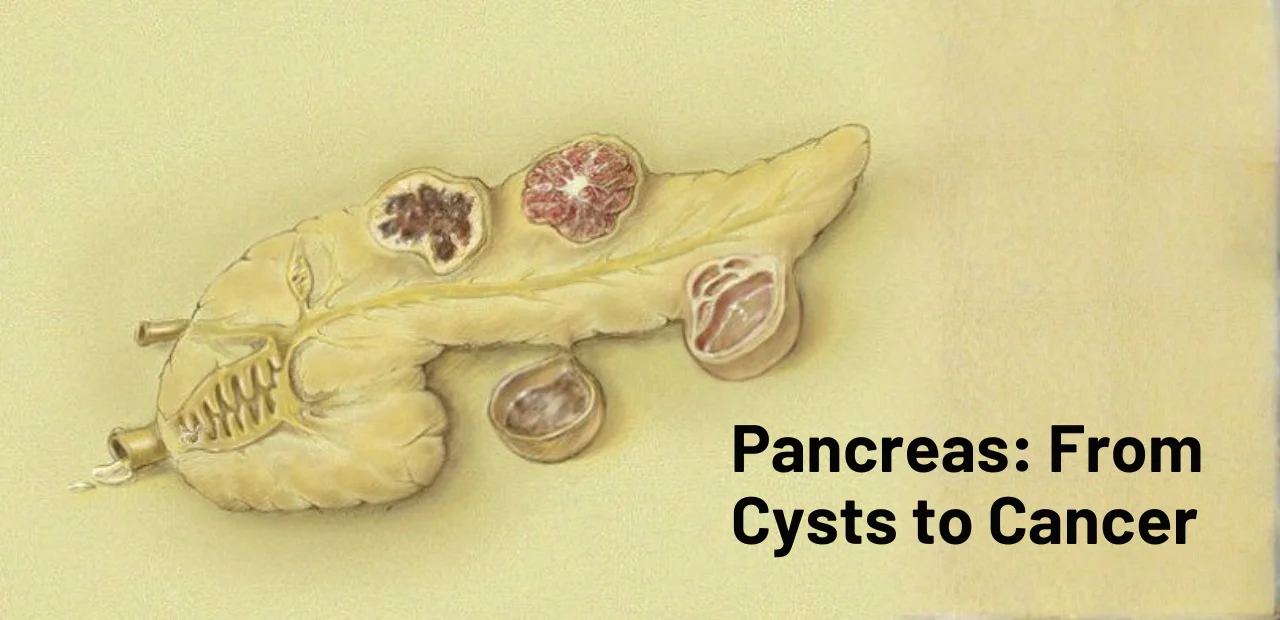
Table of Contents
What Conditions Do Pancreatic Surgeons Treat?
Pancreatic surgeons diagnose and treat multiple disorders of the pancreas. Below are the most common conditions:
Pancreatic Cysts
Pancreatic cysts are fluid-filled sacs that develop in the pancreas. While some cysts are harmless, others may have the potential to become cancerous.
A pancreatic cysts surgeon evaluates:
- Type of cyst
- Risk of malignancy
- Need for monitoring or surgery

Pancreatic Cancer
One of the most serious conditions treated by pancreatic surgeons is pancreatic cancer. Early detection and expert surgical care are crucial for improving survival rates.
Treatment may include:
- Tumour removal surgery
- Combination with chemotherapy or radiation

Chronic Pancreatitis
Chronic pancreatitis is a long-term inflammation of the pancreas that can cause severe pain and digestive issues.
A chronic pancreatitis surgeon may recommend surgery when:
- Pain is severe and persistent
- Other treatments have failed
- Complications develop

Pancreatic Tumors
Pancreatic tumours can be benign or malignant. Surgical removal is often required depending on the size, type, and location of the tumour.

Bile Duct and Related Disorders
Since the pancreas is closely connected to the bile ducts, pancreatic surgeons also treat:
- Bile duct blockages
- Tumours affecting nearby structures
- Gallbladder-related complications
When Should You See a Pancreatic Surgeon?
You should consult a specialist if you experience:
- Persistent abdominal pain
- Unexplained weight loss
- Jaundice (yellowing of skin/eyes)
- Digestive problems
- Abnormal imaging results
Early diagnosis can prevent complications and improve outcomes.
Importance of Early Treatment
Delaying treatment can lead to serious complications. Consulting experienced pancreatic surgeons ensures:
- Accurate diagnosis
- Timely intervention
- Better recovery outcomes
- Reduced risk of disease progression
Treatment Options Offered
Depending on the condition, pancreatic surgeons may provide:
- Minimally invasive surgery
- Traditional open surgery
- Robotic-assisted procedures
- Long-term disease management
Call to Action
If you are experiencing symptoms related to pancreatic disease, don’t ignore them. Consult a qualified pancreatic specialist to receive the right diagnosis and treatment at the right time.
Frequently Asked Questions
What does a pancreatic cysts surgeon do?
They diagnose and treat pancreatic cysts, including determining whether surgery is required.
Is surgery always needed for pancreatic conditions?
No, some conditions can be monitored or treated with medication.
When should I worry about pancreatic symptoms?
If symptoms are persistent or severe, you should consult a specialist immediately.