

Liver transplant success rate in Pakistan has improved significantly over the last decade due to advancements in surgical techniques, better ICU care, and experienced transplant teams. Today, major transplant centers in Pakistan report survival outcomes comparable to international standards.
Success rate usually refers to how many patients survive and maintain good liver function after transplant surgery.
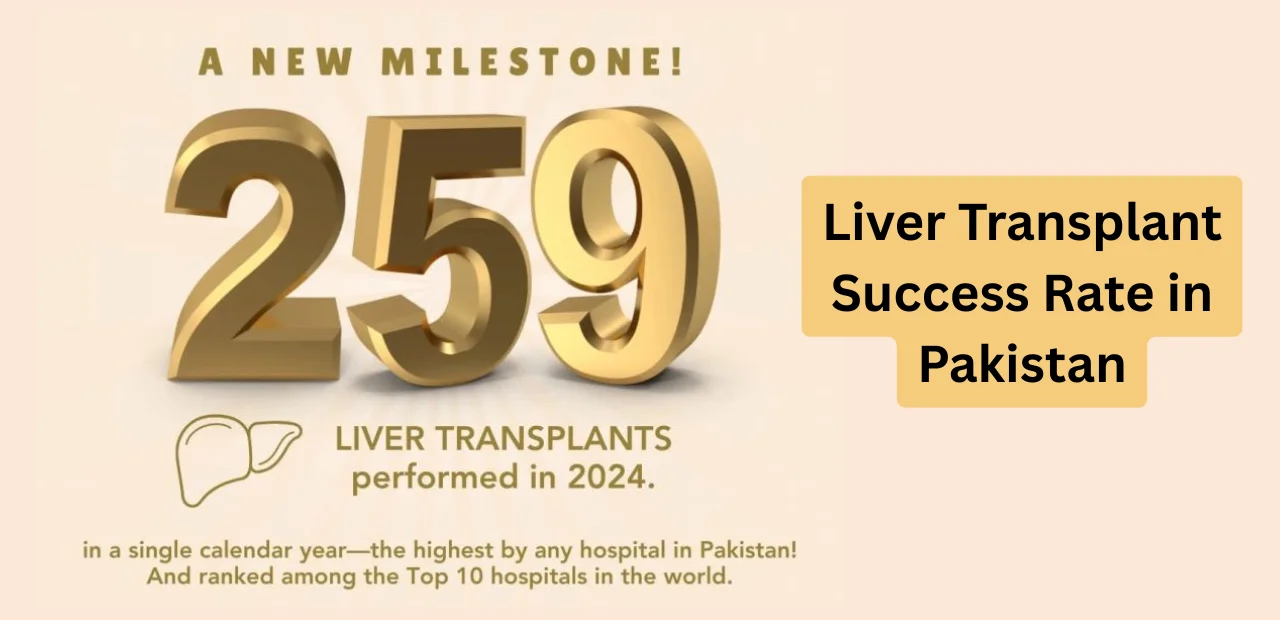
Table of Contents
What Is the Survival Rate After Liver Transplant?
In Pakistan, the average survival rates are:
- 1-Year Survival Rate: 85% – 90%
- 3-Year Survival Rate: 75% – 85%
- 5-Year Survival Rate: 70% – 80%
These numbers depend on hospital quality, surgeon experience, and patient condition before surgery.

What Factors Affect Liver Transplant Success Rate?
Several factors influence outcomes:
1. Patient’s Condition Before Surgery
- Advanced liver failure
- Other diseases (diabetes, heart disease)
- Infections before transplant
Earlier transplant = better outcome.

2. Surgeon’s Experience
Hospitals with experienced liver transplant surgeons and dedicated transplant teams generally have higher success rates.

3. Type of Transplant
- Living donor transplants (common in Pakistan) often show excellent results.
- Deceased donor transplants also have strong survival rates when performed in specialized centers.

4. Post-Operative Care
- ICU monitoring
- Infection prevention
- Regular follow-ups
- Proper medication compliance
Patient discipline after surgery is critical.

Liver Transplant Success Rate in Children (Pediatric Cases)
Pediatric liver transplant surgery in Pakistan also shows strong outcomes:
- 1-year survival rate in children: Around 85%–90%
- Many children return to normal schooling and activities within months.
Early diagnosis improves pediatric transplant results significantly.

Long-Term Life After Liver Transplant
Many patients live 10–20+ years after a successful liver transplant.
Key points for long-term survival:
- Lifelong immunosuppressant medication
- Regular blood tests
- Healthy diet
- Avoiding alcohol
- Infection precautions
Patients who strictly follow medical advice usually experience excellent long-term results.

What Is the Risk of Organ Rejection?
Organ rejection is possible but manageable.
There are 3 types:
- Acute rejection (early stage)
- Chronic rejection (rare with proper care)
- Hyperacute rejection (very rare)
Modern anti-rejection medicines significantly reduce complications.

How Pakistan Compares Internationally
Top liver transplant centers in Pakistan now perform hundreds of successful transplants annually. Survival outcomes in experienced hospitals are similar to regional international centers, while treatment costs remain significantly lower.
Final Thoughts
Liver transplant success rate in Pakistan has reached internationally competitive levels. With skilled surgeons, modern transplant facilities, and improved post-operative care, thousands of patients have regained healthy and productive lives. Early evaluation and timely transplant greatly increase survival chances.
Frequently Asked Questions
Is liver transplant successful in Pakistan?
Yes. Major transplant centers report 85–90% 1-year survival rates.
Can liver transplant fail?
Yes, but failure is uncommon when performed in specialized centers with proper follow-up.
How long can someone live after liver transplant?
Many patients live 10–20 years or longer with proper care.
What improves transplant success?
Early surgery, experienced surgeon, strong ICU support, and patient compliance.