

Liver transplant is a life-saving procedure, but like any major surgery, it carries certain liver transplant risks and complications. Understanding these risks helps patients and families prepare properly and make informed decisions.
In Pakistan, experienced transplant centers follow strict international protocols to reduce complications, but awareness remains essential.
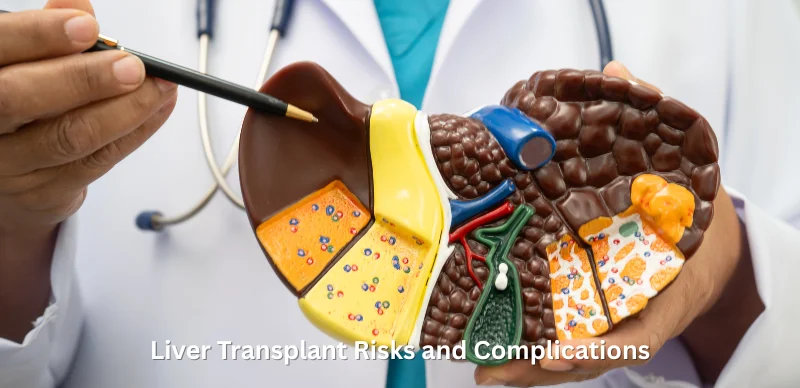
Liver Transplant Risks and Complications
Table of Contents
Immediate Surgical Risks
These complications can occur during or shortly after surgery.
1. Bleeding
Liver surgery involves major blood vessels, so bleeding is one of the most common surgical risks. Modern surgical techniques and blood bank support reduce this risk significantly.

2. Infection
After transplant, the immune system is suppressed using anti-rejection medicines. This makes patients more vulnerable to:
- Chest infections
- Wound infections
- Urinary infections
- Blood infections
Strict hygiene and regular monitoring help control infection risk.

3. Blood Clots
Clots can form in:
- Hepatic artery
- Portal vein
These complications require urgent treatment but are relatively uncommon in experienced centers.
Organ Rejection
Rejection happens when the body’s immune system attacks the new liver.
There are 3 types:
Acute Rejection
- Usually occurs within first few months
- Treatable with medication adjustment
Chronic Rejection
- Develops slowly over time
- Less common with modern drugs
Hyperacute Rejection
- Extremely rare
- Happens immediately after surgery
With proper medication compliance, rejection is usually manageable.

Bile Duct Complications
Bile duct problems are among the more frequent transplant-related issues.
They include:
- Bile leakage
- Bile duct narrowing (stricture)
These are often treatable with minor procedures like endoscopy.

Long-Term Complications
1. Medication Side Effects
Immunosuppressant medicines can cause:
- Kidney problems
- High blood pressure
- Diabetes
- Weight gain
- Bone thinning
Regular follow-up helps detect these early.

2. Recurrence of Liver Disease
In some cases, the original disease (like hepatitis or fatty liver disease) may affect the new liver if lifestyle precautions are not followed.

3. Increased Cancer Risk
Long-term immune suppression slightly increases risk of certain cancers. Routine screening reduces this risk.

Risk Factors That Increase Complications
- Late-stage liver failure
- Severe infections before surgery
- Heart or kidney disease
- Poor nutrition
- Non-compliance with medications
Early transplant improves overall outcomes.

How Common Are Serious Complications?
In leading transplant centers:
- Major complication rate is relatively low
- 1-year survival rate remains around 85–90%
Most complications are treatable when detected early.

How to Reduce Liver Transplant Risks
Patients can reduce complications by:
- Taking medicines exactly as prescribed
- Attending all follow-up visits
- Avoiding alcohol completely
- Maintaining healthy diet
- Preventing infections
- Reporting symptoms immediately
Patient discipline plays a major role in long-term survival.

Warning Signs After Liver Transplant
Seek medical attention if you notice:
- Fever
- Yellowing of eyes
- Severe abdominal pain
- Swelling in legs
- Decreased urine output
- Sudden fatigue
Early treatment prevents serious complications.
Are Liver Transplant Risks Higher in Pakistan?
No. In experienced transplant hospitals in Pakistan, complication rates are comparable to international standards when procedures are performed by specialized transplant teams.
Hospital selection and surgeon experience significantly affect outcomes.

Final Thoughts
Liver transplant carries risks, but for patients with end-stage liver disease, the benefits often outweigh the complications. With skilled surgeons, proper ICU care, and strict post-transplant monitoring, most patients recover well and enjoy long-term survival.
Understanding risks does not mean fearing the procedure — it means preparing wisely.