

Introduction
A diagnosis of liver cancer often raises many questions for patients and their families. One of the first steps in treatment is consulting a liver oncologist surgeon, a specialist trained to manage liver tumors and provide surgical treatment when appropriate.
Liver cancer treatment can involve different approaches such as surgery, medical therapy, or a combination of treatments. A liver oncologist surgeon plays an important role in evaluating the tumor and determining whether surgical removal of the cancer is possible.
Understanding the role of this specialist helps patients navigate their treatment options with more confidence.
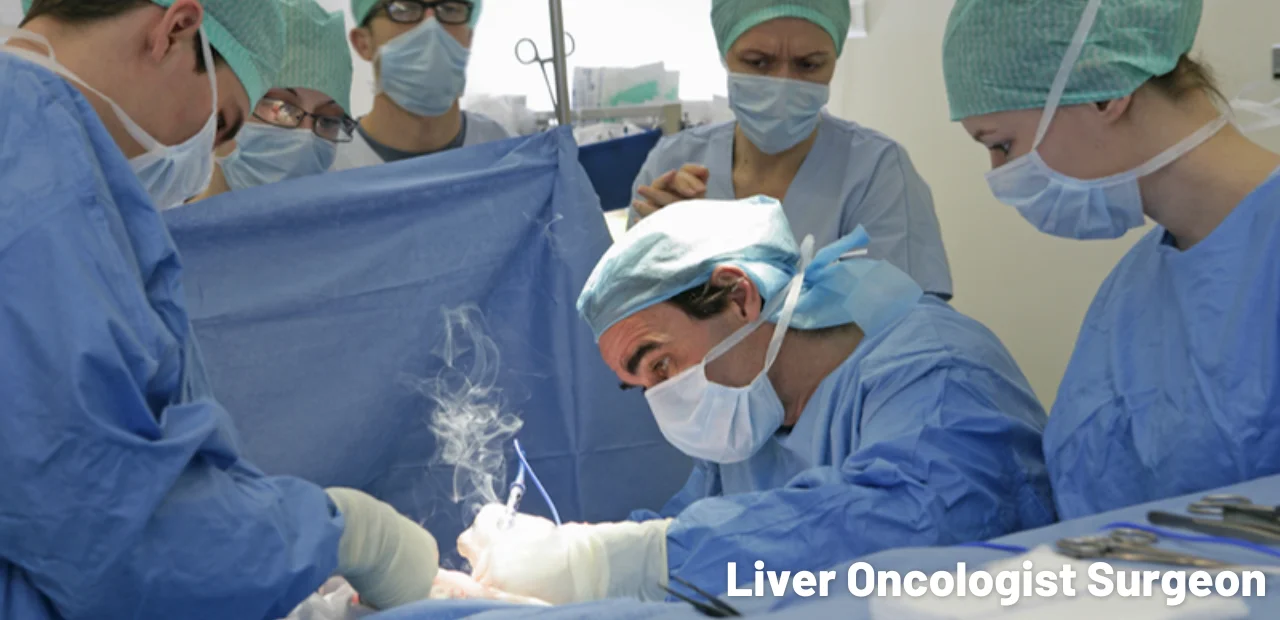
Table of Contents
Who Is a Liver Oncologist Surgeon?
Specialist in liver cancer treatment
A liver oncologist surgeon is a doctor trained in both liver surgery and cancer treatment. These specialists focus on diagnosing and surgically managing tumors that develop in the liver.
Because liver cancer can be complex, these surgeons must have deep knowledge of liver anatomy and cancer treatment strategies.
Part of a multidisciplinary medical team
Liver cancer treatment often requires collaboration between different specialists. A liver oncologist surgeon usually works closely with medical oncologists, radiologists, hepatologists, and other experts to design the best treatment plan.
This team-based approach helps ensure patients receive comprehensive care.

Conditions Treated by a Liver Oncologist Surgeon
Primary liver cancer
One of the main conditions treated by a liver oncologist surgeon is primary liver cancer, which begins in the liver itself.
Cancer that spreads to the liver
Sometimes cancer from other organs spreads to the liver. In certain cases, surgery may be considered to remove these tumors if it is safe and beneficial for the patient.

When Should You Consult a Liver Oncologist Surgeon?
After diagnosis of a liver tumor
Patients are often referred to a liver oncologist surgeon after imaging tests show a suspicious liver mass. The surgeon reviews the results and determines whether surgery might be a treatment option.
When cancer treatment planning is needed
Even when surgery is not immediately required, consultation with a liver oncologist surgeon can help patients understand possible treatment strategies and long-term management.

How Liver Cancer Surgery Is Evaluated
Imaging and diagnostic tests
Doctors use several tests to evaluate liver tumors, including ultrasound, CT scans, MRI, and blood tests. These tests provide important details about the size, location, and stage of the tumor.
Assessing liver function
The liver must remain strong enough to support the body after surgery. Surgeons carefully assess liver function before recommending any operation.

Treatment Options Recommended by Liver Oncologist Surgeons
Surgical tumor removal
When possible, surgeons remove the tumor along with a portion of surrounding liver tissue to ensure the cancer is removed completely.
Other treatment approaches
If surgery is not suitable, doctors may recommend other treatments such as medical therapy or specialized procedures designed to control tumor growth.
Conclusion
A liver oncologist surgeon plays a vital role in the diagnosis and treatment of liver cancer. With specialized knowledge and surgical expertise, these specialists help determine the most appropriate treatment approach for each patient.
Frequently Asked Questions
What does a liver oncologist surgeon do?
A liver oncologist surgeon diagnoses and surgically treats cancer affecting the liver.
When should a patient see a liver oncologist surgeon?
Patients are usually referred to a specialist after imaging tests detect a liver tumor or when cancer treatment planning is required.
Is surgery always needed for liver cancer?
Not always. Treatment depends on the stage of the cancer, tumor location, and the patient’s overall health.
How is liver cancer diagnosed?
Doctors use imaging tests such as ultrasound, CT scan, MRI, and blood tests to evaluate liver tumors.
Can liver cancer be treated successfully with surgery?
In some cases, surgery may remove tumors effectively. The outcome depends on the stage of cancer and liver function.