

Gallbladder surgery for women is a frequently searched topic because gallbladder issues are significantly more common in women than in men. Whether it’s due to hormonal fluctuations, pregnancy, or lifestyle factors, thousands of women undergo this procedure every year. When facing such a surgery, it is crucial to consult an expert who understands the complexities of hepatobiliary health.
In Lahore, Dr. Muhammad Zakria, a world-renowned Hepatobiliary and Liver Transplant Surgeon at Liver Care Lahore, is a leading authority on minimally invasive gallbladder treatments. This article provides a comprehensive look at the surgery, why it affects women specifically, and what the recovery timeline looks like under expert supervision.
Table of Contents
Why Women are More Susceptible to Gallbladder Issues
Medical research shows that women are twice as likely as men to develop gallstones. Several factors contribute to this:
Hormonal Changes: Estrogen can increase the amount of cholesterol in bile, leading to stone formation.
Pregnancy: High levels of progesterone during pregnancy cause the gallbladder to relax, preventing it from emptying properly.
Weight & Diet: Rapid weight loss or obesity can disrupt bile chemistry.
Age: Women over 40 are at a higher risk, often referred to in medical circles as the “4 Fs” (Female, Forty, Fat, and Fertile).
When Surgery Becomes Necessary:
Insights from Liver Care Lahore
According to Dr. Muhammad Zakria, the gallbladder a small pear-shaped organ that stores bile can become a source of intense pain and infection if stones block the bile ducts. Common symptoms that necessitate surgery include:
Acute pain in the upper right abdomen (Biliary Colic).
Nausea and vomiting after eating fatty meals.
Jaundice (yellowing of eyes and skin).
Chronic inflammation (Cholecystitis).
At Liver Care Center, advanced diagnostic tools are used to determine if the gallbladder needs to be removed to prevent complications like pancreatitis or gallbladder cancer.
The Procedure: Laparoscopic vs. Open Surgery
Most modern surgeries performed by Dr. Zakria at Liver Care Lahore are Laparoscopic Cholecystectomies.
Laparoscopic Surgery (Keyhole Surgery)
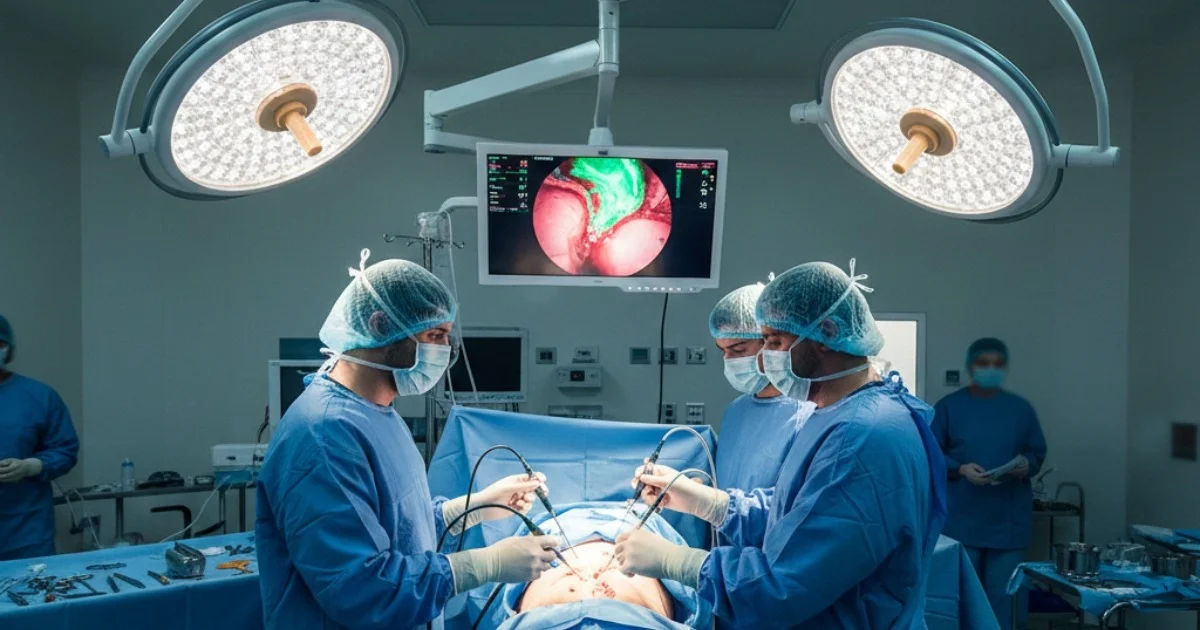
This is the gold standard. The surgeon makes 3-4 tiny incisions in the abdomen and uses a camera (laparoscope) to remove the organ.
Benefits: Minimal scarring, less pain, and faster discharge.
Open Surgery
In rare cases where the gallbladder is severely inflamed or there is significant scar tissue, an open procedure might be required. This involves a larger incision under the ribs.
Recovery Timeline for Gallbladder Surgery for Women
Recovery is a phased process. While every patient is different, Dr. Zakria’s protocols at Liver Care Center focus on a swift return to daily life.
Phase 1:
The First 24–48 Hours
Hospital Stay: Laparoscopic patients often go home the same day or stay overnight.
Post-Op Pain: It is normal to feel soreness at the incision sites and “gas pain” in the shoulders (caused by the CO2 used during surgery).
Movement: Patients are encouraged to walk within a few hours to prevent blood clots.
Phase 2:
The First Week (The Critical Window)
Wound Care: Keep the incisions clean and dry.
Dietary Adjustments: Initially, a low-fat or liquid diet is recommended.
Rest: Avoid heavy lifting (anything heavier than a kettle) or strenuous household chores.
Phase 3:
Weeks 2 to 4 (Return to Normalcy)
Work: Most women can return to desk jobs within 10–14 days.
Digestion: The body starts adapting to the absence of the gallbladder. You may experience temporary changes in bowel movements.
Activity: Light exercise like walking can be increased.
Phase 4:
Full Recovery (6 Weeks+)
By the 6-week mark, most patients are fully recovered and can resume high-impact exercise and a normal diet.
Specialized Care at Liver Care Center, Lahore
Choosing the right surgeon is the most important step in ensuring a complication-free recovery. Dr. Muhammad Zakria brings years of international experience (from the UK, France, and Taiwan) to Lahore.
Why Choose Dr. Muhammad Zakria?
Expertise in Complex Cases: He specializes not just in routine removals but also in complex hepatobiliary surgeries and gallbladder cancer.
State-of-the-Art Technology: Liver Care Lahore utilizes the latest laparoscopic equipment to ensure precision.
Personalized Follow-up: Post-surgery care is handled meticulously to monitor the body’s transition to digesting fats without a gallbladder.

Dietary Tips for Post-Surgery Success
Without a gallbladder, bile flows directly into the small intestine. To manage this:
Eat Smaller Meals: Instead of three large meals, opt for five small ones.
Limit High-Fat Foods: Avoid fried food, heavy creams, and fatty meats for at least the first month.
Increase Fiber Gradually: Introduce whole grains and vegetables slowly to avoid bloating.
Conclusion:
Take Control of Your Health
Gallbladder surgery is a common and safe procedure, but for women, the physiological impact requires a specialized touch. With the expertise of Dr. Muhammad Zakria at Liver Care Lahore, patients can expect a recovery process defined by safety, minimal pain, and expert guidance.
If you are experiencing abdominal pain or have been diagnosed with gallstones, visit livercarecenter.com or visit Dr. Zakria at Masood Hospital, Evercare Hospital, or Chughtai Medical Center in Lahore for a consultation.
Frequently Asked Questions (FAQs)
1. Why are women at a higher risk for gallbladder issues compared to men?
Women are more susceptible primarily due to hormonal factors. Estrogen increases cholesterol levels in the bile, which can lead to the formation of stones, while progesterone (especially during pregnancy) slows down gallbladder contractions. This is why the “4 Fs” rule Female, Forty, Fat, and Fertile is often used by doctors to identify those at the highest risk.
2. How long does it take to return to normal activities after laparoscopic surgery?
Most women can resume light activities, such as walking and desk work, within 10 to 14 days. However, it is generally recommended to wait at least 4 to 6 weeks before engaging in strenuous exercise or heavy lifting to allow the internal tissues to heal completely. Under the guidance of an expert like Dr. Muhammad Zakria, your specific recovery timeline will be monitored during follow-up visits.
3. Can I live a healthy life without a gallbladder?
Yes, absolutely. The gallbladder is a storage organ, not an essential one. Once it is removed, the liver continues to produce bile, which then flows directly into the small intestine to aid digestion. While you may need to adjust your diet by eating smaller, low-fat meals during the initial weeks, most patients return to a perfectly normal diet and lifestyle within a few months.