

If you are experiencing persistent pain in your upper abdomen or have been diagnosed with gallstones, you are likely considering gallbladder removal surgery in lahore. Known medically as cholecystectomy, this procedure is one of the most common surgeries performed worldwide to alleviate pain and prevent serious complications.
In Lahore, patients seeking the highest standard of care often turn to Dr. Zakria at the LiverCare Center, where advanced surgical techniques meet compassionate patient care.
Table of Contents
What is Gallbladder Removal Surgery?
The gallbladder is a small, pouch-like organ located under the liver. Its primary role is to store bile, a fluid produced by the liver that helps digest fats. While the gallbladder is helpful, it is not essential for a healthy life. When stones (gallstones) form or the organ becomes inflamed, gallbladder removal surgery becomes the most effective long-term solution.
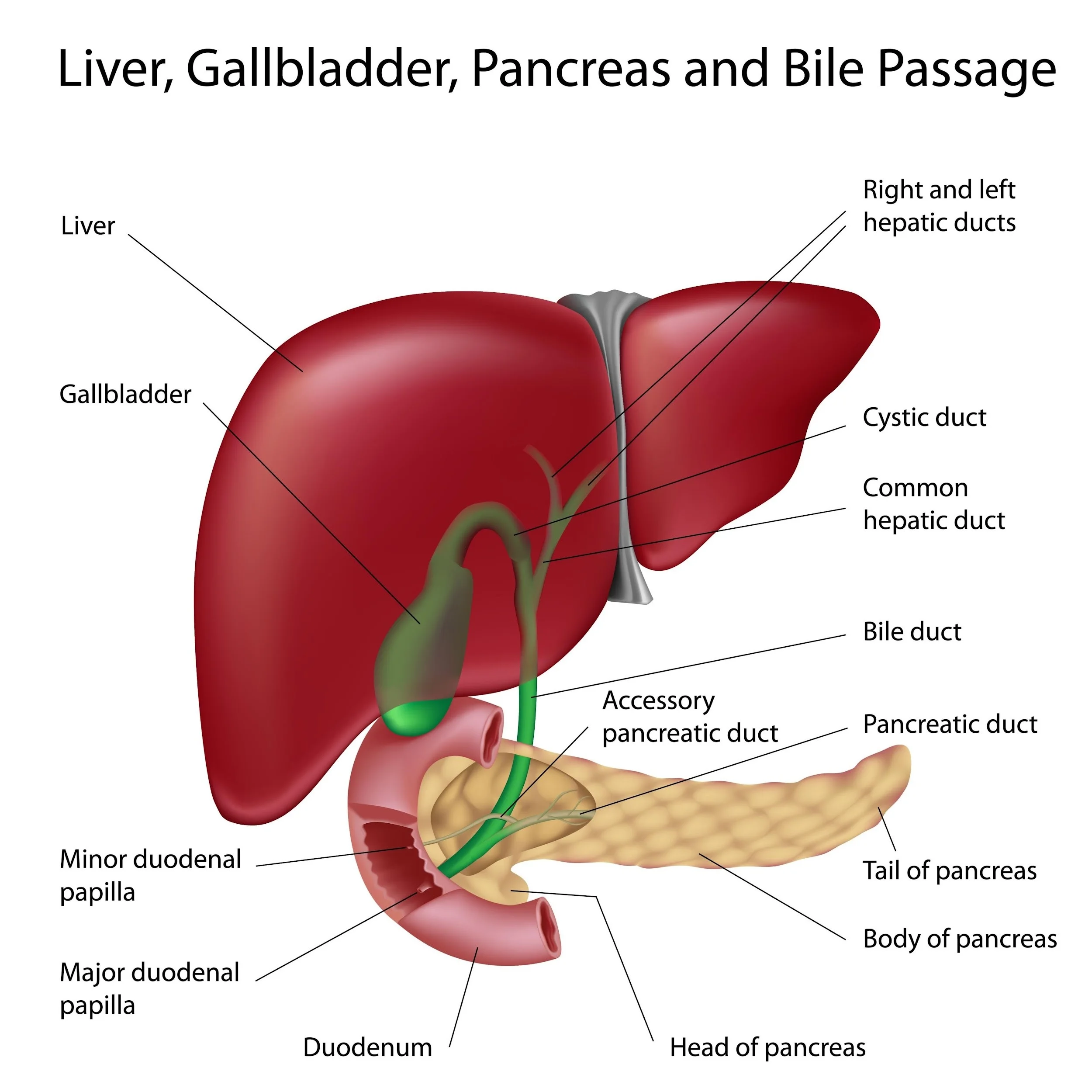
Why Do You Need Your Gallbladder Removed?
Surgeons typically recommend a cholecystectomy if you suffer from:
Cholelithiasis (Gallstones):
Hardened deposits of digestive fluid that can block the flow of bile.
Cholecystitis: Sudden or chronic inflammation of the gallbladder.
Choledocholithiasis:
Gallstones that have migrated into the common bile duct, causing a blockage.
Gallbladder Polyps:
Small growths that could potentially become cancerous.
Pancreatitis: Inflammation of the pancreas caused by migrating gallstones.
Types of Gallbladder Removal Surgery
Modern medical science has made this surgery safer and faster than ever before. There are two primary methods:
1. Laparoscopic Cholecystectomy (Keyhole Surgery)
This is the gold standard for treatment. The surgeon makes 3 or 4 tiny incisions in the abdomen. A laparoscope (a thin tube with a camera) is inserted, allowing the surgeon to remove the gallbladder with specialized tools.
Benefits:
Minimal scarring, less pain, and a faster return to daily activities.
2. Open Cholecystectomy
In some complex cases such as severe scarring from previous surgeries or significant inflammation—an open approach may be necessary. A larger incision (5-7 inches) is made on the right side under the ribs.

Specialized Care at LiverCare Center Lahore
When it comes to specialized liver and gallbladder health, the LiverCare Center Lahore stands out as a premier facility.
Why Choose Dr. Zakria?
Dr. Zakria is a renowned specialist known for his expertise in hepatobiliary and laparoscopic surgeries. Under his leadership at the LiverCare Center, patients receive:
Advanced Diagnostics:
State-of-the-art ultrasound and imaging to accurately assess stone size and duct health.
Expert Laparoscopy:
High success rates in minimally invasive surgeries, ensuring patients can recover quickly.
Comprehensive Post-Op Care:
Personalized recovery plans to ensure long-term digestive health.
The Recovery Process:
What to Expect
The gallbladder removal surgery recovery time depends largely on the type of surgery performed.
In the Hospital
Laparoscopic:
Most patients go home the same day or within 24 hours.
Open Surgery:
Expect a hospital stay of 2 to 4 days for monitoring.
At Home (The First Week)
You may experience mild soreness and “referred pain” in the shoulders due to the carbon dioxide gas used during laparoscopy. Walking is encouraged immediately to help dissipate this gas.
Long-term Recovery
Most patients return to work and light exercise within 10 to 14 days. However, heavy lifting should be avoided for at least 4 to 6 weeks.
Diet After Gallbladder Removal
A common concern is: “How will I digest food without a gallbladder?” After surgery, bile flows directly from the liver into the small intestine. While your body adjusts, follow these tips:
Low-Fat Start:
Avoid fried, oily, and spicy foods for the first few weeks.
Fiber Increase:
Gradually add fiber (oats, barley, vegetables) to prevent bloating.
Smaller Portions: Eat 5–6 smaller meals instead of 3 large ones to avoid overwhelming the digestive system.
Potential Risks and Side Effects
While cholecystectomy is very safe, no surgery is without risk. Potential (though rare) complications include:
Bile leakage.
Infection at the incision site.
Blood clots.
Injury to the common bile duct.
Choosing an experienced surgeon like Dr. Zakria significantly reduces these risks due to precision and advanced surgical technology at the LiverCare Center.
Comparison of Surgical Approaches
When considering your treatment at LiverCare Center Lahore, Dr. Zakria will help you decide between these two methods based on your clinical needs. Here is how they compare:
Laparoscopic Cholecystectomy (Modern Approach)
Incision Size:
Uses very small incisions, typically between 0.5 cm to 1 cm.
Recovery Period:
Most patients return to their normal routine within 1 to 2 weeks.
Post-Operative Pain:
Generally considered minimal and easily managed with oral medication.
Hospital Stay:
Performed as a “day surgery” or requires only a 1-day stay.
Open Cholecystectomy (Traditional Approach)
Incision Size:
Requires a larger, single incision of 5 to 7 inches on the right side of the abdomen.
Recovery Period: A longer healing time is needed, usually between 4 to 8 weeks.
Post-Operative Pain:
Can be moderate to high, requiring more intensive pain management during the initial healing phase.
Hospital Stay:
Typically requires a stay of 3 to 5 days for monitoring and wound care.
Conclusion
Gallbladder issues can significantly impact your quality of life, but they are treatable. If you are in Lahore and suffering from gallbladder pain, visiting Dr. Zakria at the LiverCare Center ensures you get the most advanced care available. Whether it is a routine laparoscopic procedure or a complex case, expert intervention is the key to a pain-free future.
FAQs
1: Why is gallbladder removal surgery necessary?
Gallbladder removal surgery, also known as cholecystectomy, is usually recommended for patients suffering from gallstones, gallbladder inflammation (cholecystitis), bile duct blockage, gallbladder polyps, or pancreatitis caused by gallstones. The surgery helps relieve pain and prevents serious complications.
2: What is the difference between laparoscopic and open gallbladder surgery?
Laparoscopic gallbladder surgery is a minimally invasive procedure performed through small incisions, resulting in less pain, minimal scarring, and faster recovery. Open gallbladder surgery involves a larger incision and is usually reserved for complex cases. Dr. Zakria recommends the most suitable option based on the patient’s condition.
3: Can I live a normal life after gallbladder removal surgery?
Yes, most patients live a completely normal and healthy life after gallbladder removal. After surgery, bile flows directly from the liver into the intestine. Following a low-fat diet initially and eating smaller meals helps the digestive system adjust smoothly.