

Introduction
First Liver transplant surgery is one of the most advanced procedures in modern medicine. Today, thousands of patients with severe liver disease receive liver transplants each year. However, this life-saving treatment was not always possible.
The development of liver transplant surgery required years of research, surgical innovation, and dedication from pioneering doctors. Understanding who performed the first liver transplant and how the procedure evolved helps highlight one of the most important breakthroughs in surgical medicine.
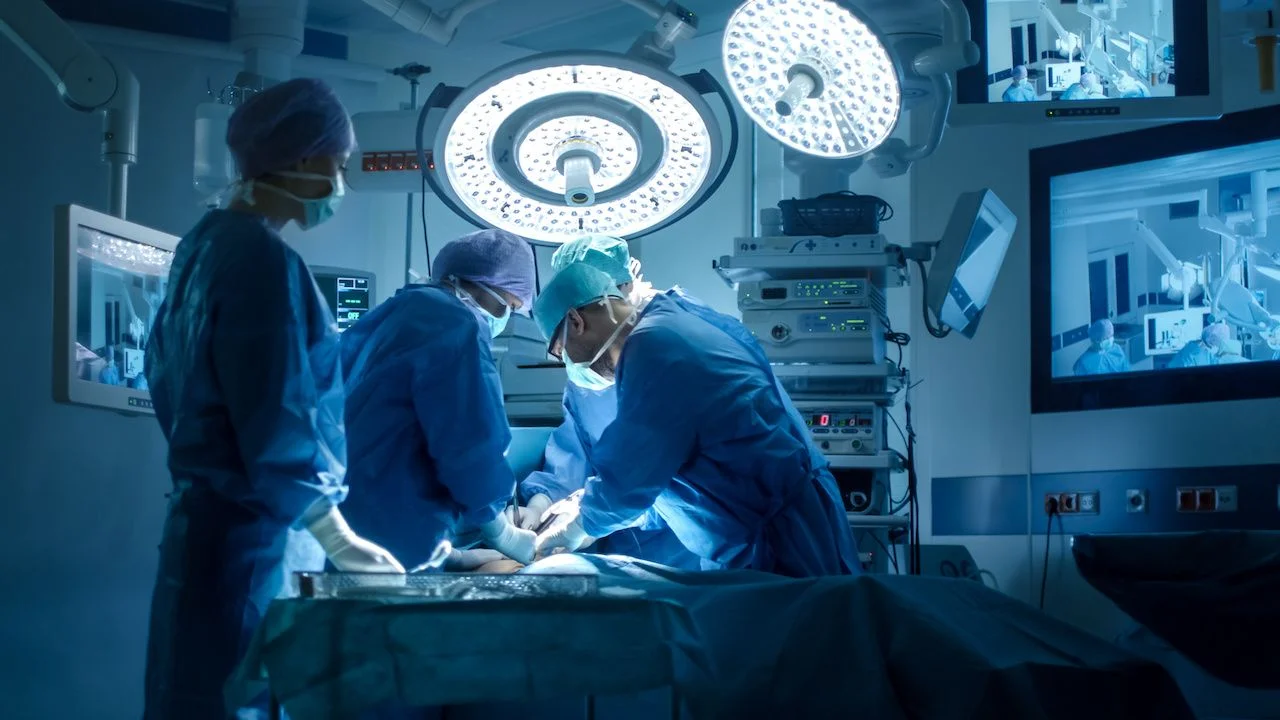
Table of Contents
Who Was the First Liver Transplant Surgeon?
Early pioneers in transplant surgery
The first successful liver transplant surgery is widely associated with Dr. Thomas Starzl, a pioneering transplant surgeon who made major contributions to organ transplantation.
Dr. Starzl and his team worked for many years to develop surgical techniques that would make liver transplantation possible.
The first liver transplant attempt
The early attempts at liver transplantation were extremely challenging. Surgeons had to overcome major obstacles such as surgical technique, organ preservation, and preventing the body from rejecting the transplanted liver.
These early efforts laid the foundation for modern transplant surgery.

Development of Liver Transplant Surgery
Advances in surgical techniques
As surgical knowledge improved, doctors developed better ways to perform complex operations involving blood vessels and organ transplantation. These advances helped improve patient survival after transplant surgery.
Improvement in transplant medicine
Another major breakthrough was the development of medications that help prevent organ rejection. These medicines made liver transplantation a more reliable and successful treatment option.

How Liver Transplant Surgery Works Today
Replacing a damaged liver
In liver transplant surgery, the diseased liver is removed and replaced with a healthy donor liver. This donor organ may come from a deceased donor or, in some cases, a living donor.
Complex surgical procedure
Liver transplant surgery requires a highly experienced surgical team. The operation involves connecting major blood vessels and bile ducts so that the new liver can function properly.
Because of its complexity, the procedure is performed only in specialized transplant centers.

Importance of Liver Transplant Surgeons Today
Specialized medical expertise
Modern liver transplant surgeons receive years of specialized training in hepatobiliary and transplant surgery. Their expertise allows them to treat patients with severe liver disease who may not have other treatment options.
Saving lives through transplantation
For many patients with end-stage liver disease, a liver transplant can significantly improve quality of life and survival. This is why transplant surgery continues to play an important role in modern healthcare.
Conclusion
The history of liver transplant surgery reflects decades of dedication from pioneering surgeons who worked to make organ transplantation possible. The work of early specialists, including the first liver transplant surgeons, helped transform liver transplantation into a life-saving treatment used around the world today.
Frequently Asked Questions
Who performed the first liver transplant surgery?
The first successful liver transplant surgery is commonly associated with Dr. Thomas Starzl, a pioneer in organ transplantation.
Why was liver transplant surgery difficult in the early years?
Early surgeons faced many challenges, including surgical techniques, organ preservation, and preventing rejection of the transplanted liver.
When did liver transplant surgery become more successful?
Success rates improved over time as surgical techniques and medications to prevent organ rejection were developed.
Is liver transplant surgery common today?
Liver transplant surgery is now performed in specialized medical centers around the world for patients with severe liver disease.
Who performs liver transplant surgery today?
Specially trained liver transplant surgeons perform these procedures in transplant hospitals with dedicated medical teams.