

Fatty liver disease, or hepatic steatosis, occurs when excess fat builds up inside liver cells. While it is normal for the liver to contain a small amount of fat, it becomes a medical issue when fat accounts for more than 5% to 10% of the liver’s total weight. Identifying fatty liver symptoms in women can be challenging because the condition often goes unnoticed; the liver does not have pain receptors, meaning physical symptoms rarely appear until the disease has progressed significantly.
There are two main types: Non-Alcoholic Fatty Liver Disease (NAFLD), which is linked to metabolic issues, and Alcohol-Related Fatty Liver Disease (AFLD). For women, NAFLD is particularly prevalent, often tied to shifts in estrogen levels during life stages like menopause.
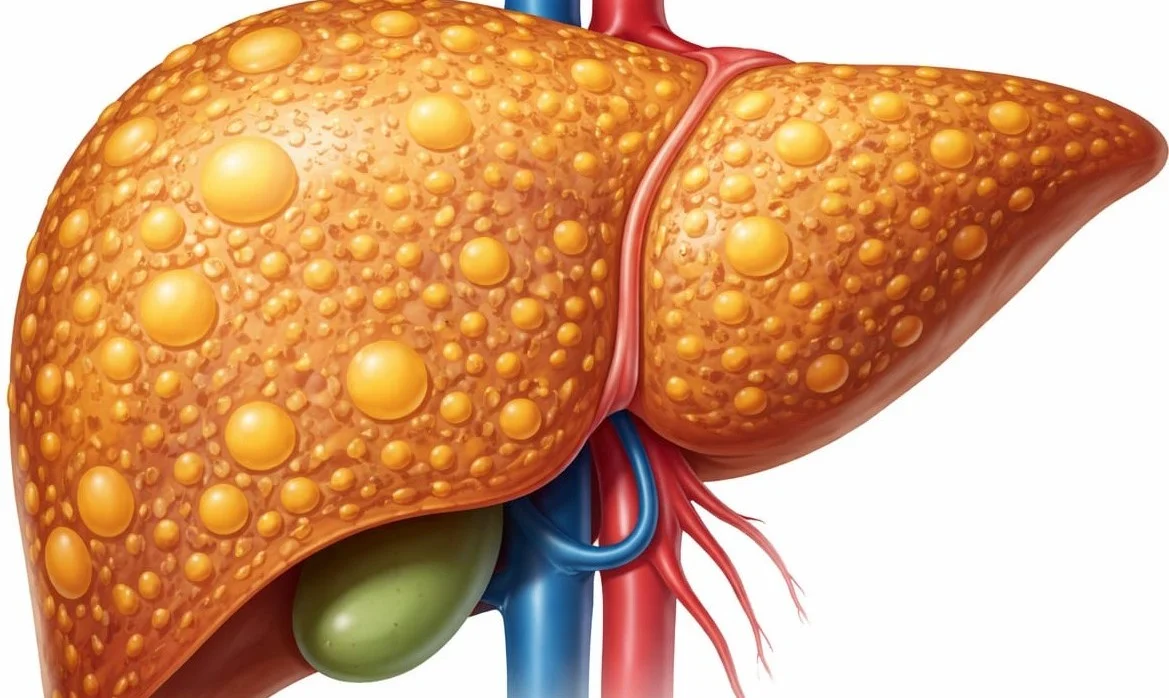
Table of Contents
Common Fatty Liver Symptoms in Women
The challenge with fatty liver is its subtle nature. Many women attribute their symptoms to “aging,” “stress,” or “hormonal fluctuations.” However, recognizing these early warning signs can prevent permanent liver damage.
1. Persistent Fatigue and Weakness
The most common symptom reported by women is a deep, unexplained exhaustion. Because the liver is responsible for energy metabolism and filtering toxins, a sluggish liver means the body has to work harder to perform basic functions. This isn’t just “being tired”; it is a systemic lethargy that doesn’t improve with rest.
2. Discomfort in the Upper Right Abdomen
While the liver itself doesn’t “ache,” the inflammation caused by fat buildup can cause the liver to enlarge. This places pressure on the surrounding capsule, leading to a dull ache or a feeling of “fullness” in the upper right side of the abdomen, just below the ribs.
3. Unexplained Weight Gain and Difficulty Losing Weight
Women with fatty liver often struggle with stubborn weight, particularly around the midsection. This is frequently linked to insulin resistance. When the liver is clogged with fat, it cannot process insulin effectively, leading the body to store more fat rather than burning it for fuel.
4. Skin Changes and Itching
Elevated liver enzymes can sometimes manifest on the skin. Women may notice “spider angiomas” (small, spider-like red veins) on the chest or arms. Additionally, a buildup of bile salts can lead to chronic itching (pruritus) that seems to have no external cause like a rash or allergy.
5. Hormonal Imbalances and Irregular Periods
The liver plays a vital role in metabolizing hormones, including estrogen. When liver function is compromised, estrogen levels can become imbalanced. This may lead to heavier periods, worsening PMS, or even contribute to conditions like Polycystic Ovary Syndrome (PCOS).

The Role of Menopause and Hormones
Estrogen actually has a protective effect on the liver. It helps regulate lipid metabolism and prevents the accumulation of fat. This is why many women develop fatty liver symptoms specifically during perimenopause or after menopause. As estrogen levels drop, the body’s natural defense against liver fat weakens, making dietary and lifestyle choices even more critical during this transition.
Causes and Risk Factors
Several factors increase a woman’s risk of developing a fatty liver. Understanding these can help in early intervention:
Insulin Resistance and Type 2 Diabetes:
High blood sugar levels promote fat storage in the liver.
High Cholesterol:
Elevated levels of triglycerides or “bad” LDL cholesterol are direct contributors.
PCOS:
Women with Polycystic Ovary Syndrome have a significantly higher risk due to the metabolic nature of the disorder.
Rapid Weight Loss:
Ironically, “crash dieting” can force the liver to process too much fat too quickly, leading to temporary steatosis.
Poor Diet:
Diets high in processed sugars, especially high-fructose corn syrup, are primary drivers of liver fat.
Strategies for Reversing Fatty Liver
The good news is that the liver is a remarkably resilient organ. In its early stages, fatty liver is often completely reversible through dedicated lifestyle changes.
Focus on a Mediterranean-Style Diet
Research suggests that a diet rich in healthy fats (omega-3s), fiber, and lean proteins is best for liver health. Focus on leafy greens, walnuts, olive oil, and fatty fish. Reducing the intake of refined carbohydrates and sugary beverages is the single most effective dietary change you can make.
Regular Physical Activity
Exercise helps the body use glucose more efficiently and reduces the load on the liver. A combination of aerobic exercise (like walking or swimming) and strength training is ideal for burning the fat already stored in liver cells.
Monitoring Medications
Some common medications and supplements can put extra strain on the liver. It is vital for women to discuss all supplements, including “herbal” weight loss teas, with a healthcare provider, as some can actually worsen liver inflammation.

Conclusion: Prioritizing Your Liver Health
Fatty liver disease may be a “silent” condition, but it doesn’t have to be a permanent one. For women, understanding the unique intersection of hormonal shifts, metabolic health, and lifestyle choices is the first step toward prevention. While the symptoms like fatigue or mild discomfort are easy to dismiss, they are often the body’s way of asking for a reset.
By making intentional shifts such as adopting a Mediterranean-style diet, staying active, and monitoring liver enzymes during menopause you can halt or even reverse the progression of fat buildup. Your liver is one of the few organs capable of remarkable self-regeneration. By listening to your body and seeking early screening, you aren’t just protecting your liver; you are securing your long-term energy, hormonal balance, and overall vitality.
Frequently Asked Questions (FAQs)
Can fatty liver be cured?
Yes, in many cases. If caught in the “simple fatty liver” stage, losing weight (specifically 7% to 10% of body weight) and improving diet can reverse the fat accumulation and return the liver to a healthy state.
Is coffee good for fatty liver?
Surprisingly, yes. Multiple studies have shown that moderate coffee consumption (black or with very little sugar) can help reduce liver enzymes and protect the liver from scarring (fibrosis).
Does alcohol always cause fatty liver?
No. Non-Alcoholic Fatty Liver Disease (NAFLD) occurs in people who drink little to no alcohol. It is primarily driven by metabolic factors like obesity, high blood sugar, and high fats in the blood.
How is fatty liver diagnosed in women?
Since symptoms are vague, it is usually found through routine blood tests showing elevated liver enzymes (ALT/AST). A definitive diagnosis is often made via an ultrasound or a specialized scan called a FibroScan.
Can thin women get fatty liver?
Yes. This is known as “Lean NAFLD.” It is often caused by genetics, high sugar intake, or a lack of muscle mass, proving that weight isn’t the only factor in liver health. Early detection is your best defense against liver disease. If you are experiencing persistent fatigue or abdominal fullness, it is worth asking your doctor for a simple liver function test. Your liver does a lot for you it’s time to r